
Follow the trees. See the impact.
Every planting has a story. Explore where student-grown native trees are planted, learn about the ecosystems they support and see how each planting will be monitored for three years to document tree survival, growth and environmental conditions.
Tonto National Forest Burn Scar Restoration
Restoration Need
Restoration of native forest in a wildfire burn scar using student-grown trees.
Student-grown ironwoods planned for Nov 14, 2026
150
Land Manager
U.S. Forest Service (Tonto National Forest)
This planting is scheduled but has not yet taken place. Site and date are confirmed; restoration impact will be documented after planting.
Growing History
Trees recorded in this project's growing cycles as students raise them, from seed to ready to plant. These totals are a separate measure from the number of student-grown ironwoods planned for a single planting.
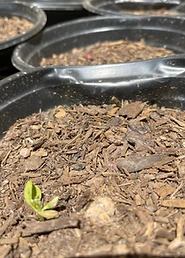
San Tan Valley, Arizona · Year 1
Species
Native ironwood (Olneya tesota)
In growing cycles
150
Ready to plant
150
Planted
0
A landscape worth restoring.
The Four Peaks planting site carries the story of a devastating fire and the people who have been bringing it back to life. This is their work.
The 2020 Bush Fire
On June 13, 2020, an overheating vehicle pulled onto dry grass along SR 87 between Payson and Phoenix. The heat from the brakes sparked the fifth largest wildfire in Arizona history.
The Bush Fire burned 193,455 acres of Tonto National Forest, sweeping over the top of Four Peaks and down toward Roosevelt Lake. Most of the fire burned through the Sonoran Desert, an ecosystem that has not evolved to survive wildfire. Over 80,000 iconic saguaros were impacted.

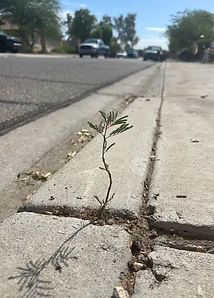
Why restoration matters here. Saguaros, ironwoods and other native species can take decades or centuries to recover from fire damage on their own. Invasive weeds and shrubs can move in after a burn, increasing the risk of future fires. Without active restoration, the burn scar could struggle to recover its native plant communities.
What Natural Restorations accomplished
In 2023, Natural Restorations led the Bush Fire Replanting Project at Four Peaks and Lower Sycamore. This was a combined effort with grants and donations from the U.S. Forest Service Southwestern Region, the National Forest Foundation, AVNET, SRP, Arizona 4Runner Outsiders, the Arizona Community Foundation through the Helen Dyar King Fund, and Arizona Financial Credit Union.
acres burned in the 2020 Bush Fire
iconic saguaros impacted by the fire
cacti replanted by Natural Restorations in 2023
saguaros replanted in the burn scar
Figures from Natural Restorations' documented 2023 Bush Fire Replanting Project. Legacy Tree was not involved in this work.
Their Dedicated Restoration Team of Military Veterans salvaged 2,414 cacti from construction sites and private properties, then replanted 3,361 cacti including 1,057 saguaros in the burn scar. The project provided 1,368 hours of work to Military Veterans.
This work was honored at the 2023 U.S. Forest Service Chief's Honor Awards Ceremony. Natural Restorations continues to monitor and water the replanted areas today. They lost a few saguaros to target shooting, which they document honestly.
Their page includes before-and-after photographs of the burn scar and the replanting work. We encourage you to explore them there.
Why students grow ironwoods
Desert ironwoods are nurse plants. Their shade and shelter help young saguaros and other native species survive. By growing ironwoods, Legacy Tree students add a missing piece to the same landscape Natural Restorations has been restoring.
The November 14, 2026 planting
Legacy Tree's planned planting of student-grown ironwoods is a separate, future contribution to the same ongoing restoration effort. Natural Restorations identified the restoration location. The U.S. Forest Service approved the site and approved ironwood as appropriate. Legacy Tree students are growing the trees.
Each year’s project page on the Natural Restorations site includes photos of the burn scar, the replanting work and the volunteers who took part.
Every planting will be monitored for three years.
Planting is the beginning, not the end. Each restoration planting will be monitored for three years to document tree survival, growth and environmental conditions.
Year 1
Trees are grown at the school, then planted. Planting day counts as year one, and we record where, when and how many.
Year 2
Survival checks and watering support will follow through the hottest months as the trees establish.
Year 3
Growth measurements will document how the planting is responding.
Following Years
Trees will transition to independent growth.
Understanding the landscape.
Every restoration site has a story. Learn about the fire, the forest, the trees and the people working to bring this landscape back.
The Bush Fire
In June 2020, the Bush Fire burned 193,455 acres in Tonto National Forest near Four Peaks. Student-grown ironwoods are part of the long recovery.
Read on WikipediaTonto National Forest
The restoration site is on Tonto National Forest land, managed by the USDA Forest Service. The site and species were approved by the Forest Service.
Visit Forest ServiceNatural Restorations
Natural Restorations identified the restoration location and leads the Save Our Saguaros effort. Legacy Tree students grow ironwoods for the same landscape.
Visit Natural RestorationsNative Ironwoods
Learn how desert ironwoods support saguaros, enrich soil and create habitat in the Sonoran Desert. Explore the Ironwood Connection on our Education page.
Explore Ironwood ConnectionThe Story Continues Beyond Planting Day.
Follow the progress of student-grown trees, explore restoration sites and discover opportunities to take part in the work.