
Growing more than trees.
The Legacy Tree Project is developing an environmental education curriculum that connects growing Arizona native trees with hands-on learning about the world around us.
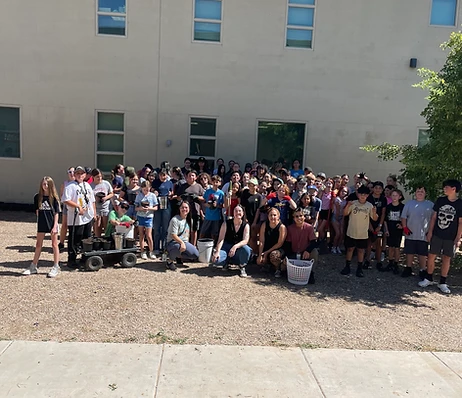
Lessons students can put their hands on.
The curriculum will also help students understand how trees can help cool our cities, reduce the effects of urban heat, conserve water and create healthier, more resilient communities.
Our goal is to give teachers the resources they need to bring these lessons into their classrooms and help students understand the science behind the work they're doing.
The curriculum is in development and is intended to align with applicable state academic standards. It is being designed to adapt to different regions, ecosystems and native species.
Building the Educational Foundation
Scott Shepherd of the Wildward Institute has supported the Legacy Tree Project since its beginning. He recognized its educational potential early on and has continued to encourage new ideas, challenge our thinking and help strengthen the program as it develops.
Today, Scott is working to develop curriculum that connects environmental science with hands-on restoration, helping bring greater educational depth to the experience students are already having.
Interested in supporting this work? Individuals and organizations interested in contributing to curriculum development or collaborating on educational resources are encouraged to connect directly with Scott Shepherd at the Wildward Institute.
Contact Scott at Wildward InstituteLearning That Continues From One Class to the Next
Each incoming sixth-grade class inherits living native trees grown from seed by the students before them. Students care for those trees, help prepare them for restoration and plant a new generation of seeds for the class that follows.
This continuing cycle gives students responsibility for something that extends beyond their own school year. They learn how environmental systems develop over time and how their work contributes to a larger effort.
Questions Worth Investigating
- How does shade change the temperature of the ground?
- What helps native trees survive prolonged drought?
- How do soil, water and plant species influence one another?
- What happens as an ecosystem recovers from wildfire?
These are the kinds of questions that can connect the experience of growing native trees with scientific investigation, classroom learning and future restoration monitoring.
Why ironwoods?
Students are growing desert ironwoods for the Bush Fire restoration. Tap each part of the relationship to see what makes this tree so important.

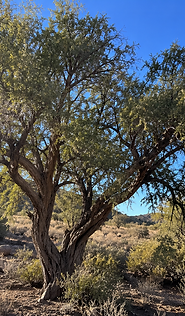
A desert survivor.
Desert ironwood is one of the longest-lived trees in the Sonoran Desert. It can live for centuries, survive long droughts and grow in some of the harshest conditions on earth. Its dense, hard wood gives the tree its name.
- Native to the Sonoran Desert
- Drought tolerant and long-lived
- Loses leaves in dry season but keeps growing
Why we chose ironwoods. The Bush Fire burned through the Sonoran Desert near Four Peaks. Ironwoods are native to this landscape, survive drought and help other plants come back. When students grow ironwoods and plant them in the burn scar, they help rebuild a living desert community.
See the November 2026 plantingSave Our Saguaros
Natural Restorations leads the Save Our Saguaros program, replanting native saguaros and cacti across the Tonto National Forest in areas damaged by wildfire. The Legacy Tree Project is part of this larger effort.
Trees and cacti planted by Natural Restorations since 2020
Saguaros replanted through all NR restoration projects
Figures are Natural Restorations' cumulative totals since November 2020 across all their restoration projects statewide, not results of the Bush Fire project alone.
The Bush Fire
In 2020, the Bush Fire burned more than 193,000 acres of the Sonoran Desert near Four Peaks. Saguaros, ironwoods and the desert community they support were lost across a vast area.
Growing new life
Natural Restorations began replanting the burn scar with native saguaros and cacti. Their Save Our Saguaros program brings students, volunteers and restoration crews together to grow and plant native species.
Students join the work
On November 14, 2026, Legacy Tree students will bring 150 ironwoods they grew from seed to the Bush Fire burn scar as part of the Save Our Saguaros replanting event.
How the ironwoods connect.
Saguaros and ironwoods belong to the same Sonoran Desert community. Mature ironwoods act as nurse plants, shading and protecting young saguaros from heat, freezing and herbivores. Natural Restorations replants saguaros in the burn scar. Legacy Tree students grow ironwoods from seed for the same landscape. Both efforts help the desert community recover together.
The ironwoods students grow are young saplings. They will not provide mature nurse-tree shade for many years. Planting them now begins the long process of rebuilding the canopy that future saguaros will need.
Each year’s project page on the Natural Restorations site includes photos of the burn scar, the replanting work and the volunteers who took part.
The people and places behind the work.
A school, a forest and an institute. Each one plays a part in connecting what students learn to what happens in the real world.
Where it started
Circle Cross Ranch Elementary
The first school to join the Legacy Tree Project. Students here planted the ironwood seeds in March 2025 and have been caring for the growing trees as part of their school year.
Visit school websiteWhere the trees go
Tonto National Forest
The Bush Fire burn scar near Four Peaks is where the student-grown ironwoods will be planted. The U.S. Forest Service manages the Tonto National Forest where Natural Restorations leads the ongoing restoration.
Tonto National ForestCurriculum partner
Wildward Institute
Scott Shepherd and the Wildward Institute help connect classroom science with the hands-on work students do in the nursery. Wildward provides outdoor education consulting and field-ready resources for schools and educators.
Visit Wildward InstituteBring Learning Into the Field.
Explore how your school can connect environmental education with hands-on native tree growing and real restoration opportunities.
For teachers
Resources to bring native-tree science into the classroom.
For sponsors
Grant or corporate support to help grow the program.
For researchers
Collaboration to strengthen the science behind the lessons.
Work Alongside the Students.
Teachers guide the growing. Landscape professionals, restoration organizations and researchers help make sure the trees and the science behind them are right for the places they are going.
- Share species and site guidance for real restoration locations.
- Review growing and monitoring questions with students.
- Connect a school growing cycle to a project that needs trees.
Reaching out does not commit you or the program to anything. We will simply talk through what would be useful.